Description: Short guide to code-aligned egress—design, installation, maintenance, perimeter coordination, and a fast compliance checklist.
Code & Priorities
Set measurable targets: clear width, travel distance, adjacent fire ratings, emergency lighting, photoluminescent signage. Define primary/secondary routes, assembly points, and re-entry. Keep paths free of storage, furniture, snow/ice.
Egress Design
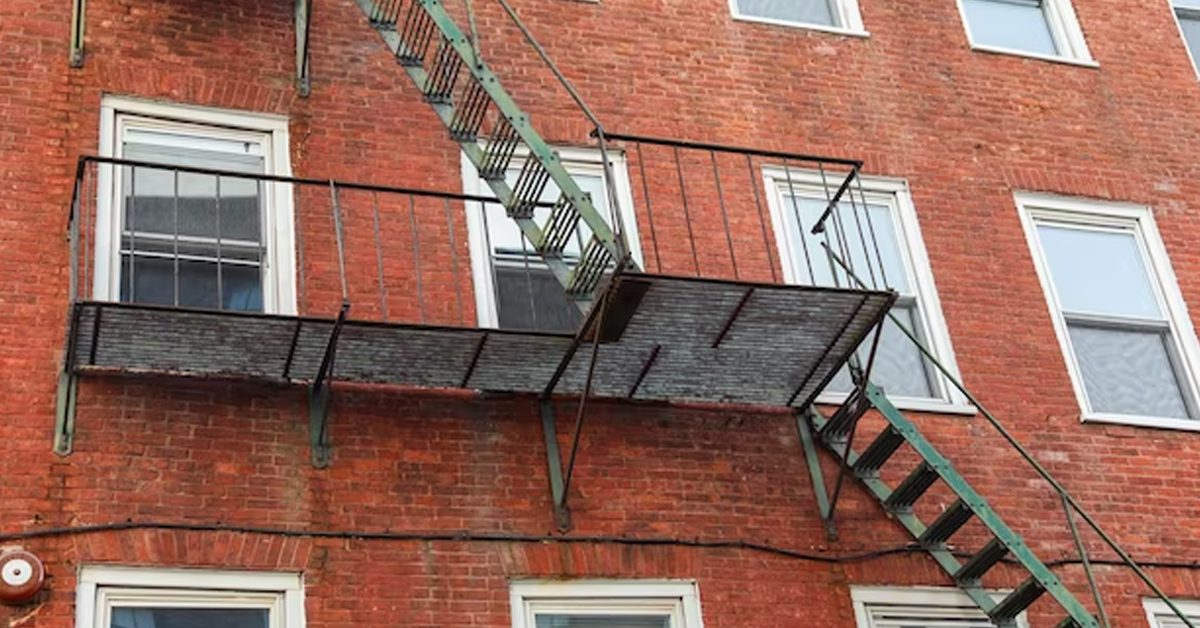
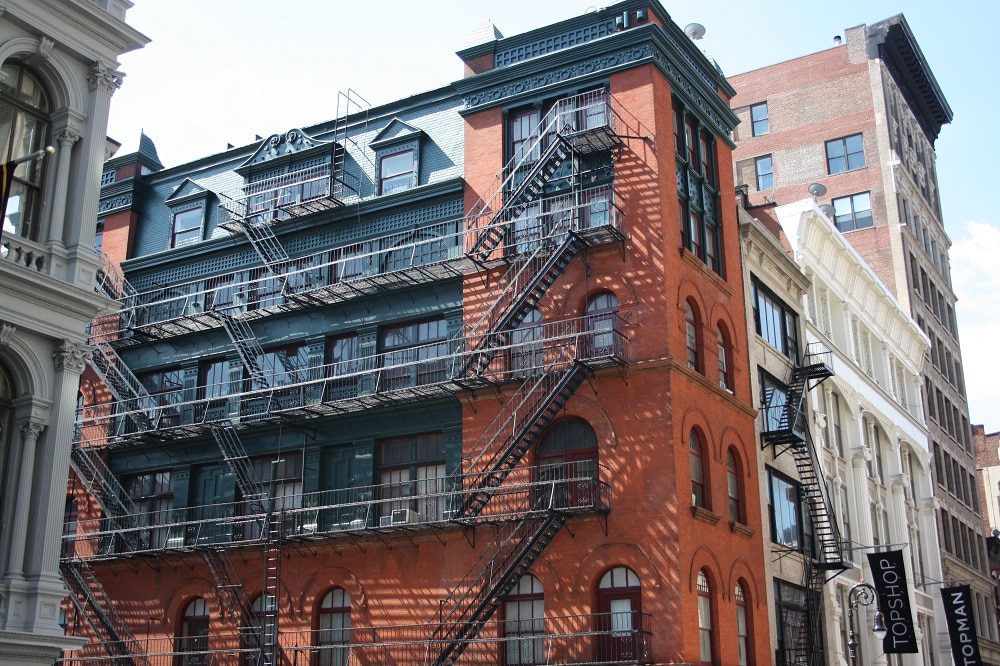
Size stairs/landings for simultaneous flow; uniform risers, anti-slip treads, code handrails/guards. Doors with panic hardware and self-closers; no tools or tight grasp required. Use durable anchorage to masonry/concrete with protective coatings and sealants.
Engineering & Installation
Provide sealed drawings, calcs, anchorage details, BOM. Schedule interim inspections (welds/fasteners/finishes) and functional tests (doors/closers/dampers). Plan routine cleaning, corrosion control, torque checks, hardware replacement—all documented.
Perimeter Coordination
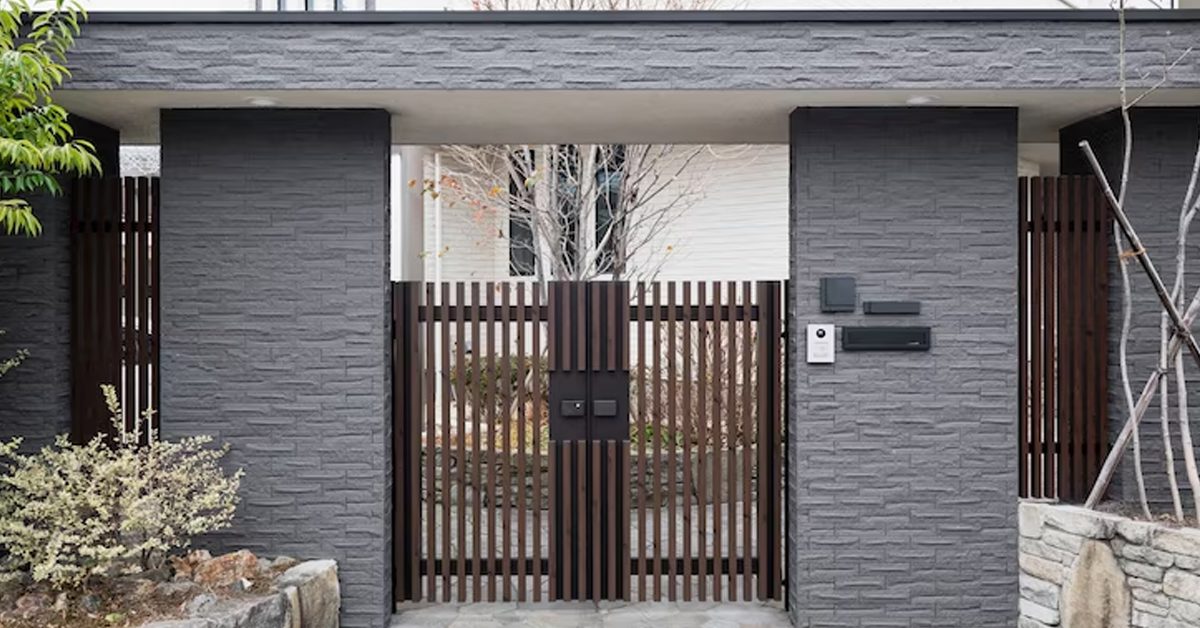
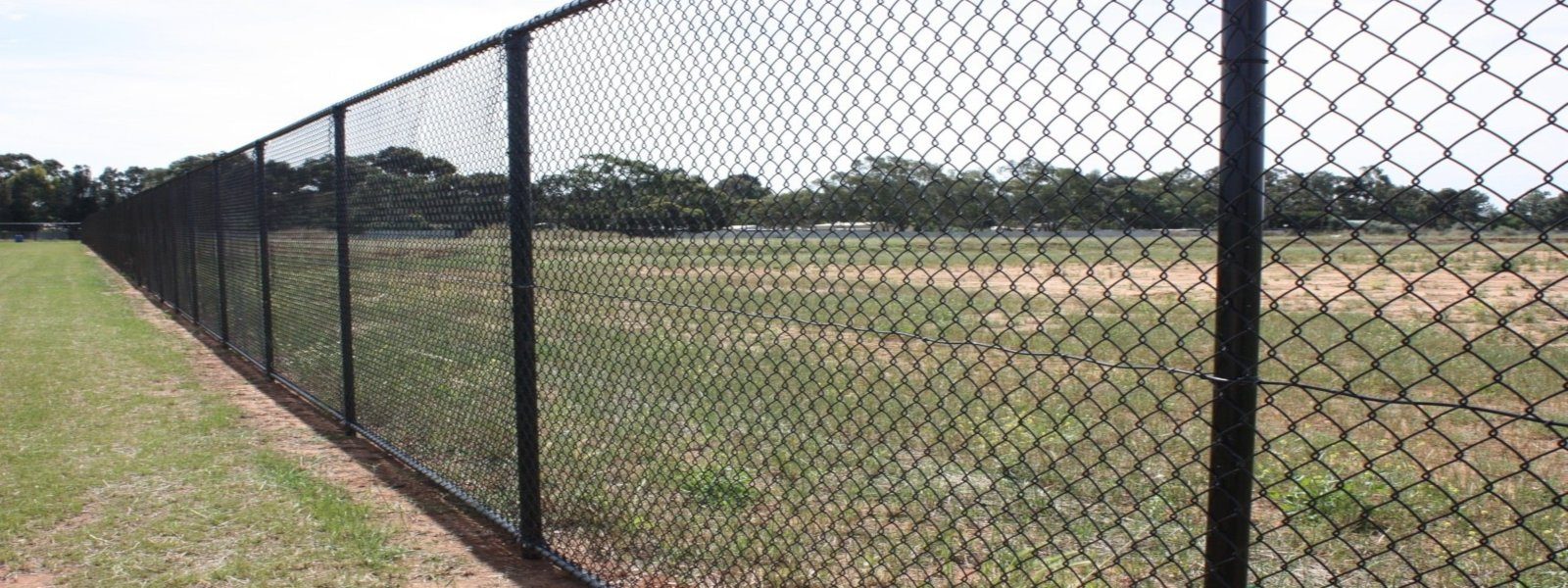
Security must not block egress: gates maintain clear width and correct swing; no projections into the path; hardware compatible with emergency use. Align with lighting/signage and avoid entrapment points.
Operations & Testing
Keep mechanisms clean; surfaces dry/anti-slip. Log dates, photos, parts. Verify panic devices, closers, stops, signage, photoluminescence on a set cadence.
Fast Compliance Checklist
-
Routes: unobstructed.
-
Doors: swing with egress; panic hardware; self-closers.
-
Dimensions: widths/landings to code; uniform treads/risers.
-
Lighting/signage: adequate; photoluminescent where required.
-
Surfaces: anti-slip; snow/ice control; drainage.
-
Structure: fixings/welds/anchors inspected; records kept.
-
Perimeter: gates/fences clear the path; evacuation-compatible hardware.
-
Maintenance: documented schedule; critical spares on hand.
#construction #fire #fireescapes #propertyinvestment