Reliability First
Check company solvency, licensing, and insurance. Stable operations reduce schedule slips and change-order surprises, and protect you during project delivery.
Track Record and References
Prior performance predicts outcomes. Ask for recent, similar projects and speak with references about communication, schedule adherence, and punch-list closure.
Materials and Build Quality
Confirm steel grades, coatings, and hardware specs. Look for corrosion resistance, clean welds, proper bracing, and documented tolerances for post setting and panel alignment.
Service and Communication
You need responsive support from scoping through completion. Define single points of contact, response windows, and update cadence so decisions don’t stall the site.
Pricing with Context
Compare detailed, like-for-like proposals (materials, finishes, scope, timelines, warranty). Be cautious with unusually low numbers—omitted items often reappear as change orders.
Scope and Capacity
Verify the provider can handle your required span, height, terrain, and access points (pedestrian and vehicle). Align gate hardware, safety features, and traffic flow to your operations.
Regional Solutions
For metropolitan/industrial corridors, specifications and logistics can be more demanding. Benchmarks like Industrial Fence Chicago help you evaluate urban-duty materials, anti-corrosion systems, and staging plans suited to tighter sites.
Compliance and Approvals
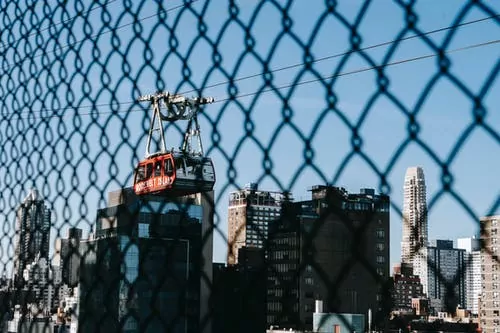
When Industrial Scale Matters
Large facilities, mixed-use sites, or utility perimeters may call for heavier wire gauges, anti-climb options, and integrated access points. Shortlist providers experienced with industrial fence in chicago to compare uptime plans, stocked parts, and preventative maintenance programs.
Quick Checklist
-
Proof of insurance, licensing, and safety program
-
Material cut sheets and finish/spec data
-
CAD/markups with clear dimensions and elevations
-
Gate schedules, hardware sets, and access control notes
-
Phasing, deliveries, and staging plan
-
Warranty coverage and service SLAs
See finishes, timelines, and examples—visit our website for the full write-up.


No comments:
Post a Comment