Osceola Fence has been in business since 1975 and formed into a corporation in 1986. Throughout the history of the company, Our goal is to be a leading fence company and we believe in achieving this by providing excellent customer service along with quality materials a great craftsmanship. We are experts in fences, automatic gastes, railings, stairs, balcony railings and more. Our company is proud to be the best option for security supplies and we love to help business to increase their security
Friday, May 21, 2021
How To Check Your Fences For Signs Of Damage
Fences add security, define boundaries, and boost curb appeal—but only if they’re in good shape. Use this practical walkthrough to spot issues early and keep your perimeter looking sharp. (The same checklist applies in Wilmette and similar suburban settings.)
Quick Walkaround Checklist
Move slowly along the fence line and note anything that looks out of place: leaning sections, loose hardware, flaking finish, soil heave, vegetation pressure, or gaps under panels.
Posts & Footings
Posts carry the load. Look for wobble, rot at ground level, cracked concrete, or uplift from frost. Confirm consistent vertical alignment and that rails meet posts cleanly without stress.
Rails, Panels & Pickets
Scan for splits, warping, dents, or bent mesh. Check fasteners where rails meet posts; replace missing screws/clips and re-seat loose connections before movement spreads to adjacent sections.
Gates & Hardware
Open/close each gate several times. Watch for sag, latch misalignment, dragging, or bounce-back. Tighten hinges, re-torque hardware, and confirm clearance for deliveries and lawn equipment.
Material-Specific Checks
Wood: Probe suspect spots with a screwdriver; soft fibers indicate rot. Recoat exposed end grains, replace split pickets, and keep soil/ mulch off the boards.
Iron/Steel: Look for rust blooms at welds and fastener points. Remove oxidation, treat, and touch up with compatible primer/finish to prevent underfilm corrosion.
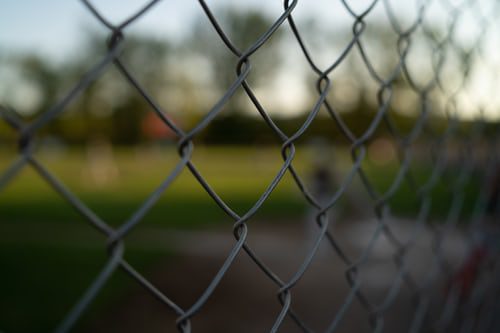
Chain Link: Inspect tension wire, top rail splices, and ties. Retension fabric, replace damaged ties, and confirm bottom support to deter push-through.
Vinyl: Note chalking, cracks, or UV brittleness. Tighten brackets, re-level panels, and clean with non-abrasive solutions to preserve sheen.
Vegetation, Soil & Drainage
Trim plants away from rails and posts. Clear soil that rests against boards or metal, and regrade where water pools—standing moisture accelerates decay and corrosion.
Repair vs. Replace
Spot fixes: isolated rot, a few bent pickets, loose ties, or minor rust.
Spring: re-torque hardware, clean surfaces, inspect posts after frost.
Summer: trim vegetation, verify gate clearances, touch up finishes.
Fall: clear debris, check drainage paths, confirm latches and locks.
Winter: remove heavy snow loads from gates; avoid piling salt directly on steel footings.
When to Get Help
Large alignment issues, heaved footings, or integrated access components are faster to correct with a professional team. Ask for documented tolerances, finish specs, and a simple maintenance plan at handover.
For a deeper look and practical tips, the full article is on our site.


No comments:
Post a Comment