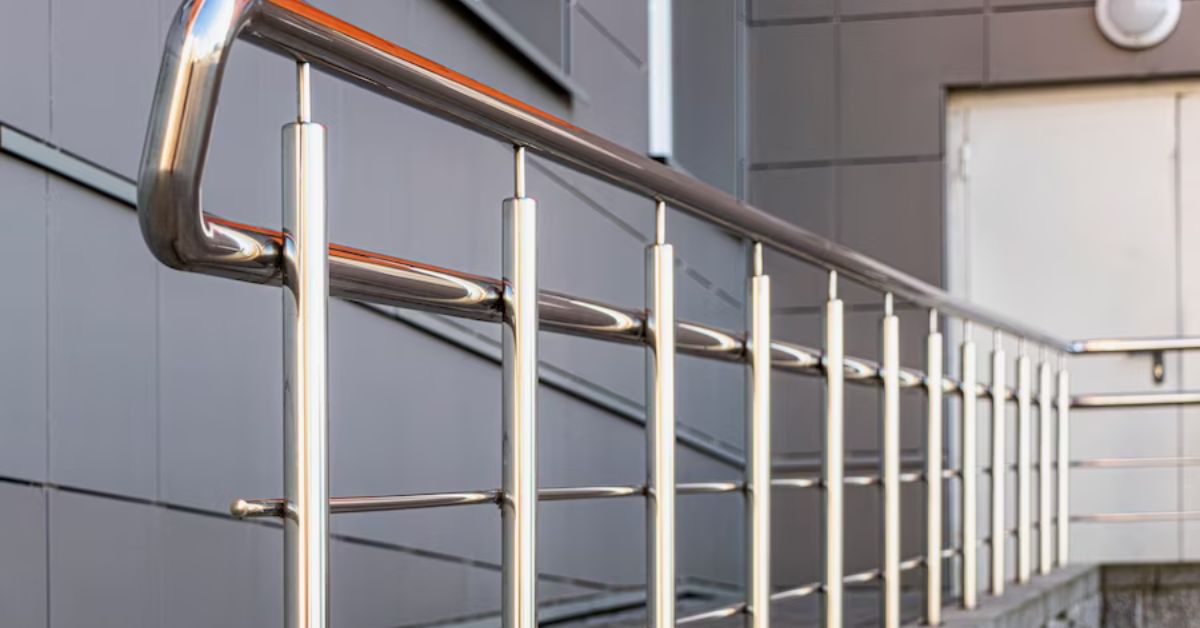
Durable, low-maintenance: No rust/rot; pretreat + powder coat resists fading. Clean with rinse + mild soap.
-
Cost-effective: Competitive upfront; no repaint/seal cycles. Reinforce gate posts/high-traffic corners.
-
Security & privacy: Rigid rails/pickets define boundary; add self-closing hinges, keyed/code latches, and optional screens/landscaping/infill.
-
Aesthetic range: Classic or modern profiles, multiple heights, coordinated gates, common colors (white/tan/gray/wood-tone).
-
Eco-minded: Recyclable components; fewer coatings over life.
Planning
-
Purpose: Privacy, pet/child containment, pool code, boundary.
-
Heights/layout: Lower front, taller sides/rear.
-
Terrain: Rackable panels or stepped runs.
-
Posts/footings: Size to soil and wind.
-
Hardware: Exterior-rated; set latch height for safe use.
Install (at a glance)
-
Verify lines, utilities, setbacks, gate spots.
-
Set corner/end posts; allow cure.
-
Assemble panels to spec (allow thermal movement).
-
Hang/alignment of gates; check clearances/latch action.
-
Final QA: alignment, caps, hardware torque, coating continuity.
Care
-
Rinse seasonally; keep camera/sensor views clear at gates.
-
Trim vegetation; avoid abrasion/moisture traps.
-
Inspect hinges/latches/fasteners after storms; re-square gates if needed.
-
Touch up chips promptly.
FAQs
-
Aluminum vs. steel? Aluminum = lighter/corrosion-resistant; steel = higher rigidity. Choose by exposure/security/look.
-
Add privacy later? Yes—compatible inserts/screens/landscaping (confirm wind load).
-
Pool compliant? Verify picket spacing, latch height, and self-closing/self-latching hardware meet local rules.
https://bit.ly/49jWSXL


No comments:
Post a Comment