Friday, May 21, 2021

Benefits of Having Indoor Fencing

Indoor Fencing helps protect inventory, tools, and sensitive areas inside your facility—adding a controlled layer of security without disrupting daily operations.

Peace of Mind
When the exterior is covered, the next step is interior zones. A well-planned layout separates stock, shipping/receiving, and high-value cages so you can lock up quickly at day’s end. Specs often take cues from Commercial Fence Installation Chicago when teams want a benchmark for timelines and quality standards.
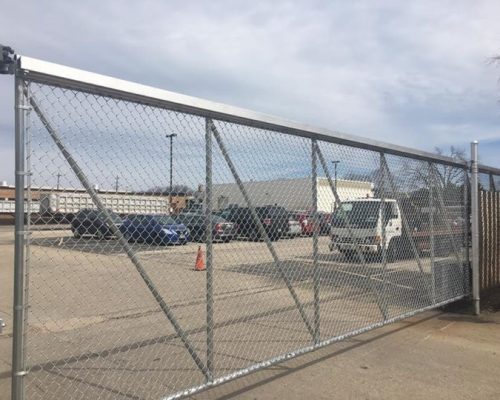
Use Cases

  • Inventory cages for high-value SKUs

  • Controlled access for IT rooms and tool cribs

  • Safety perimeters around machinery or hazardous materials

  • Visitor paths that keep guests away from operations

Materials and Options
Iron and chain link are common for interior perimeters. Choose mesh size, height, and gate hardware that match visibility and access needs; add privacy inserts only where required to maintain sightlines.

Costs and Value
Because runs are shorter and staging is simpler indoors, many projects land below exterior budgets. Clear zoning reduces shrink, speeds audits, and improves accountability—value that compounds over time.

Planning and Setup
Document measurements, door swings, forklift clearances, and fire egress. Pre-fabricated panels speed on-site fit; anchored posts and leveled rails keep gates aligned under daily use.

Comparing Providers
Independent reviews of chicago fence companies can help you benchmark communication, scheduling, and follow-through for interior projects.

Integration with Access Control
Badge readers, keypads, and audit logs help track who enters critical zones. Pair cameras at gate lines for incident review without obstructing aisles.
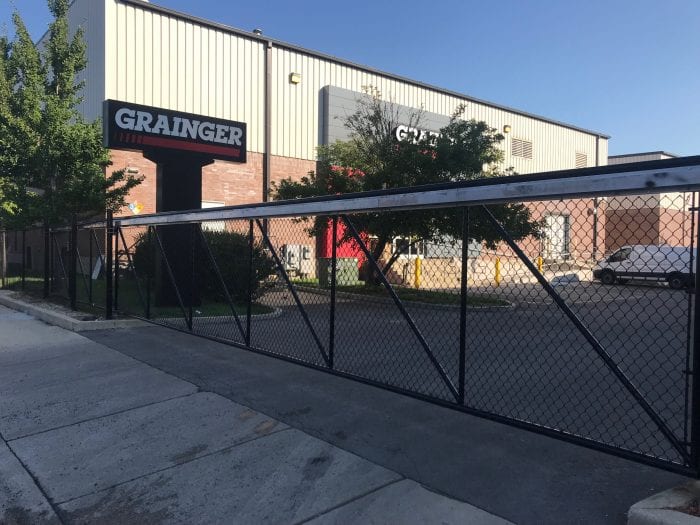
Care and Longevity
Quarterly checks on hinges, latches, and anchors prevent drift. Keep floors clear at base rails and touch up coatings where needed to maintain a clean, professional look.

Conclusion
Indoor Fencing delivers orderly workflows and reliable protection for the spaces that matter most—inside the building, where loss and downtime hurt the most.

For specs, options, and examples, our site has the full breakdown.

Will a Fence Raise Your Property’s Value?

A well-executed fence can add privacy, define space, and elevate curb appeal—benefits buyers notice during showings and appraisals.

Key Value Factors
Material, style, and upkeep drive perceived value. Durable options with clean lines and consistent finishes tend to photograph well and age gracefully, which helps listings stand out.

Professional Standards Matter
Fit, alignment, and hardware quality influence how “solid” a fence feels. Many homeowners compare local workmanship through references like Fence Contractors Northbrook to benchmark expectations on finish quality and reliability.

Placement and Height
Where you put the fence—and how tall it is—affects light, views, and sightlines from primary rooms. If the backyard view is a selling point, consider lower or open styles near the vista; if the view is busy or unsightly, taller, privacy-forward designs can improve marketability in Northbrook.

Will Fence Installation Raise Your Property's Value now

Material Choices and Aesthetics
Timeless styles blend with the home’s architecture and neighborhood character. For warm curb appeal and privacy potential, Wood Fences Northbrook are often short-listed; just plan for sealing/maintenance to keep color and texture looking fresh.

Buyer Priorities
Many buyers value enclosed yards for kids and pets. Quiet operation at gates, smooth latches, and consistent panel spacing help communicate quality during tours and inspections.

Cost vs. Return
Balance upfront spend with expected years of service. Durable finishes, corrosion-resistant hardware, and a simple maintenance plan tend to improve long-term ROI and reduce price-chipping during negotiations.

Conclusion
A fence can enhance both livability and perceived value when it’s thoughtfully specified for placement, material, and upkeep—and aligned with buyer expectations in your area.

Ready to explore specifics? Head to our website for the complete overview.

Will Fence Installation Raise Your Property's Value now

How To Check Your Fences For Signs Of Damage

Fences add security, define boundaries, and boost curb appeal—but only if they’re in good shape. Use this practical walkthrough to spot issues early and keep your perimeter looking sharp. (The same checklist applies in Wilmette and similar suburban settings.)

Quick Walkaround Checklist
Move slowly along the fence line and note anything that looks out of place: leaning sections, loose hardware, flaking finish, soil heave, vegetation pressure, or gaps under panels.

Posts & Footings
Posts carry the load. Look for wobble, rot at ground level, cracked concrete, or uplift from frost. Confirm consistent vertical alignment and that rails meet posts cleanly without stress.

Rails, Panels & Pickets
Scan for splits, warping, dents, or bent mesh. Check fasteners where rails meet posts; replace missing screws/clips and re-seat loose connections before movement spreads to adjacent sections.

Gates & Hardware
Open/close each gate several times. Watch for sag, latch misalignment, dragging, or bounce-back. Tighten hinges, re-torque hardware, and confirm clearance for deliveries and lawn equipment.

Material-Specific Checks

  • Wood: Probe suspect spots with a screwdriver; soft fibers indicate rot. Recoat exposed end grains, replace split pickets, and keep soil/ mulch off the boards.

  • Iron/Steel: Look for rust blooms at welds and fastener points. Remove oxidation, treat, and touch up with compatible primer/finish to prevent underfilm corrosion.

  • Chain Link: Inspect tension wire, top rail splices, and ties. Retension fabric, replace damaged ties, and confirm bottom support to deter push-through.

  • Vinyl: Note chalking, cracks, or UV brittleness. Tighten brackets, re-level panels, and clean with non-abrasive solutions to preserve sheen.

Vegetation, Soil & Drainage
Trim plants away from rails and posts. Clear soil that rests against boards or metal, and regrade where water pools—standing moisture accelerates decay and corrosion.

Repair vs. Replace
Spot fixes: isolated rot, a few bent pickets, loose ties, or minor rust.
Section work: repeating rot, leaning runs, widespread coating failure, or undersized footings. Address root causes (drainage, anchoring, hardware sizing) so problems don’t return.

Preventive Care Schedule

  • Spring: re-torque hardware, clean surfaces, inspect posts after frost.

  • Summer: trim vegetation, verify gate clearances, touch up finishes.

  • Fall: clear debris, check drainage paths, confirm latches and locks.

  • Winter: remove heavy snow loads from gates; avoid piling salt directly on steel footings.

When to Get Help
Large alignment issues, heaved footings, or integrated access components are faster to correct with a professional team. Ask for documented tolerances, finish specs, and a simple maintenance plan at handover.

For a deeper look and practical tips, the full article is on our site.
How To Find Fence Contractors In Northbrook


Tuesday, March 23, 2021

How to Find Fence Contractors in Northbrook

Hiring for a perimeter upgrade shouldn’t feel like a gamble. Use this quick guide to shortlist reputable teams in Northbrook and move from quotes to a clean, reliable result.

1) Verify Reliability
Ask for proof of active insurance, business registration, and recent project references. A solvent, well-documented partner is less likely to cut corners. When you evaluate a Fence Company Northbrook, confirm who handles materials, scheduling, and change orders—and how they communicate delays.

2) Check Experience That Matches Your Scope
Experience should align with your needs (residential vs. commercial; privacy vs. security). Look for clear specs, code awareness, and a photo set of similar work. Teams that document tolerances (post depth, gate clearances, hardware torque) usually deliver fewer surprises.

3) Inspect Materials and Build Quality
Tour recent jobs or sample panels. Check welds, coatings, fasteners, and gate alignment. Ask about corrosion resistance, finish systems (galvanized, powder coat), and hardware grade. Reputable Fence Contractors Northbrook will explain trade-offs by price, lifespan, and maintenance.

4) Read Reviews—But Read Them Smart
Scan patterns over time: scheduling, cleanup, and warranty follow-through matter as much as the final look. Prioritize detailed reviews with photos or contractor responses that show accountability.

5) Compare at Least Three Written Quotes
Standardize your requests (linear footage, height, gates, hardware, finish) so bids are apples-to-apples. Watch for exclusions (demo, hauling, utility locates) and ask for an estimated timeline with milestones.

6) Compliance and Site Readiness
Clarify who handles permits, utility marking, and HOA/municipal requirements. Confirm access, staging, and hours to keep business or household routines flowing during the build.

7) Red Flags to Avoid
Vague scopes, cash-only demands, or pressure to skip documentation are warning signs. If a bid is far below market without a clear reason, expect shortcuts.

Conclusion
A strong fence project comes from clear specs, verified experience, quality materials, and accountable communication. Shortlist, compare, and choose the team that proves how they’ll deliver—not just what they’ll charge.

Curious about the details? You’ll find the complete guide on our website.

Monday, February 15, 2021

Mistakes To Avoid When Installing A New Fence

A secure, great-looking perimeter starts long before the first post hole. Use this checklist to sidestep common errors and keep your project on time, on spec, and within budget. When you’re benchmarking providers, specs referenced by Commercial Fence Installation Chicago can help you compare timelines and quality standards.

Lack of Planning
Rushing to buy materials and dig lines is the fastest way to rework. Map the fence line, mark corners and gate openings, confirm utilities, and document height, style, and hardware. Review local guidelines early, including Chicago Department of Buildings regulations, to avoid setbacks and costly changes.

Not Knowing Your Property
Work from an accurate site plan. Verify boundaries, easements, and right-of-way so you don’t encroach on neighboring lots or public land. If in doubt, get a survey and stake the line before layout.

Ignoring Post Holes and Footings
Posts fail when footing depth, diameter, or soil prep is wrong. Match depth to frost line and load, bell the base in loose soils, and account for grade changes. Lay out consistent spans; adjust panel counts rather than forcing uneven gaps.

Skipping Hardware and Finish Details
Undersized hinges, latches, or fasteners shorten service life. Specify corrosion-resistant hardware and compatible coatings; confirm smooth gate travel, latch engagement, and clearance for deliveries.

Forgetting Utilities and Site Readiness
Call for locates, plan staging that preserves access, and protect landscaping/irrigation. Pre-assemble where possible to reduce time on site.

When to Bring in Help
Large runs, multiple gates, or integrated access control benefit from experienced field teams with documented QA steps, tolerances, and handover checklists.

Final Checks Before Sign-Off
Verify verticality, line continuity, hardware torque, and finish quality. Get care instructions and a simple maintenance schedule so performance stays consistent.

Curious about the details? You’ll find the complete guide on our website.

What Do You Need for a Commercial Fence?

A strong perimeter starts with a clear plan. Use this checklist to define goals, choose materials, and keep the project on schedule—without surprises.

1) Define Objectives
Decide what matters most: access control, privacy, visibility, branding, or a mix. Note gate locations (pedestrian/vehicle), traffic flow, and any areas that need added protection.

2) Select Materials and Style
Match the fence to your goals and site:

  • Chain link for visibility and budget efficiency

  • Iron fences for durability and a refined look

  • Vinyl or wood for privacy and warm aesthetics
    Confirm height, picket/mesh spacing, finish, and hardware so the system fits daily operations.

3) Budget and Scope
Estimate by linear footage, height, material, number of gates, and hardware. Include allowances for site conditions (grading, demo, utility locates) and any add-ons like privacy slats or access devices.

4) Compliance and Paperwork
Review local rules early—setbacks, sight triangles at driveways, height limits, and any screening requirements. Start permits and utility marking before site work to avoid delays.

5) Site Readiness
Document measurements, mark corners and gate openings, confirm power availability (if using operators), and plan staging so business access remains open during work.

6) Project Delivery (Field Work)
Expect precise layout, post setting, and panel alignment with documented tolerances. Prioritize smooth gate travel, correct latch engagement, and corrosion-resistant finishes. If you’re comparing providers, specs referenced by Commercial Fence Installation Chicago can serve as a helpful benchmark for timelines and QA steps.

7) Quality Checks and Handover
Before sign-off, verify verticality, clearances, hardware torque, and smooth operation under load. Get care instructions, finish data, and a simple maintenance schedule.

8) Ongoing Care
Rinse debris seasonally, trim vegetation away from rails, touch up finishes where needed, and re-check hinges/latches. Small, regular care extends service life and keeps the perimeter looking professional.

For specs, options, and examples, our site has the full breakdown.

Keep Your House Safe While You Are Away For The Holidays

Keep Your House Safe While You Are Away For The Holidays 

Heading out for a well-deserved break? Use this quick, practical checklist to keep your home secure while you’re away—so you can actually relax.

Check Perimeter Basics
Walk the boundary before you leave. Tighten loose latches, confirm gate alignment, and make sure fencing isn’t sagging or easy to lift. A tidy, well-kept perimeter looks occupied and is harder to test.

Add Smart Eyes On Your Property
A well-placed Security Camera System Chicago lets you check live views, receive motion alerts, and review recordings from your phone. Cover front/back entries, package zones, and the driveway; set schedules and detection zones to cut false alarms.

Expand Coverage Where It Counts
If you need broader visibility (garage, side yard, rear alley), consider adding units under the umbrella of Security Cameras Chicago. Favor night vision, secure storage, and two-factor authentication; keep lenses clean and batteries topped up.

Loop In a Neighbor
Ask a trusted neighbor to keep an eye out, roll bins on schedule, and text you if something looks off. Share how to reach you and where to find backup keys or codes (if you’re comfortable).

Be Quiet on Social Media
Save the trip posts for when you’re back. Real-time updates can tell the wrong audience you’re not home.

Handle Mail and Deliveries
Pause deliveries or have a friend collect them—an overflowing box signals absence. If you’ll be out of the city of Chicago, confirm any holiday holds with your postal carrier and favorite couriers.

Final Pre-Trip Sweep
Test door/window locks, set timers for lights, and confirm alarm arming. Unplug non-essentials, secure outdoor items, and do one last camera check from the driveway to verify angles and notifications.

Learn More

Ready to explore specifics? Head to our website for the complete overview.

Common Mistakes to Avoid When Choosing a Composite Fence

  Selecting the perfect fence for your property is more than just a matter of appearance—it’s about finding a balance between functionality,...